Will an L-Shape Actually Work? Five UK Living Rooms Put to the Test
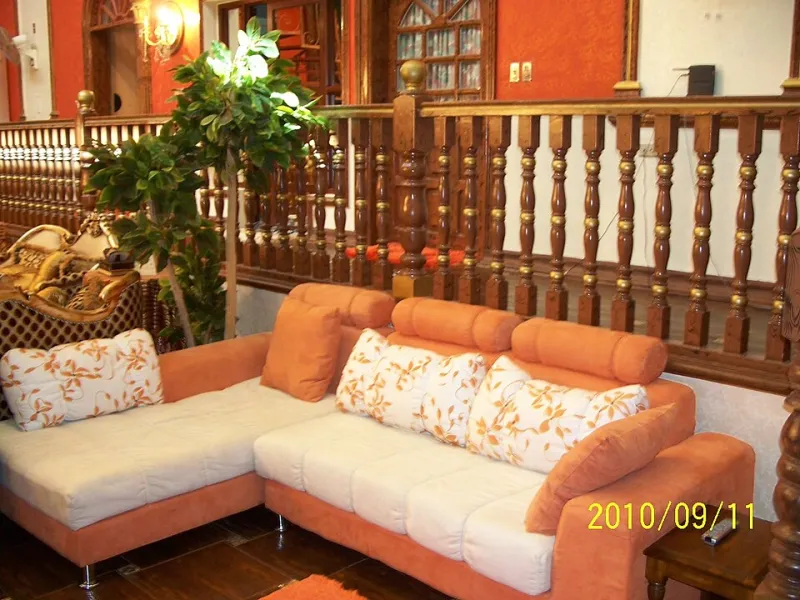
Photo: faraidan, CC BY 3.0, via Wikimedia Commons
Corner sofas sell themselves on a simple promise: more bottoms per square metre. Sometimes that's exactly what you get. Just as often, the L-shape arrives, gets manoeuvred into place, and quietly removes the one clear route from the living room door to the kitchen.
The difference between the two outcomes isn't taste or budget. It's four measurements and one honest look at how you actually use the room. Get those right and a corner sofa is a brilliant buy. Get them wrong and you'll be the person on a Facebook group asking whether anyone wants to swap a left-hand chaise for a right-hand one.
Four numbers that settle most arguments
Before we get to room types, here's the short version of what decides it.
1. The delivery path. Not the room — the path. Front door width, hallway width, the tight turn at the bottom of the stairs, the internal door into the lounge, and for flats, the lift. A corner sofa that can't get in is a very expensive exercise in watching a van drive away. Ask whether the arms unbolt and whether the chaise detaches; many L-shapes are sold as one rigid piece and many more are modular.
2. Radiator clearance. Upholstery parked hard against a radiator traps heat, blocks convection and, over a few winters, does the fabric no favours. Leave a gap, and if there's a TRV on the radiator, make sure you can still reach it. This single issue rules out the obvious corner in a great many UK lounges, where the radiator sits under the window and the bay is the tempting spot.
3. Walk-through space. The main traffic route through the room — usually door to door — needs a clear run. As a working rule, around 60–70cm of clear floor feels comfortable for a main walkway; below that, people start turning sideways with a cup of tea. Tape the sofa footprint out on the floor and walk it for a week before deciding.
4. TV sightline. The chaise dictates who sits sideways. If the telly is on the long wall and the chaise faces it, lovely. If the chaise runs parallel to the screen, one person spends every evening looking over their shoulder. Measure from the main seat to the screen; around 2–2.5m is a good starting point for a 50-odd-inch set, and more for bigger panels.
Layout 1: the Victorian terrace through-lounge
Long, narrow, two alcoves, a chimney breast in the middle and a bay at the front. The instinct is to tuck the L into the bay, which is usually a mistake — it kills the light, blocks the radiator and puts the chaise directly in the walking line from the hall to the back of the house.
Verdict: a corner sofa can work, but only if the L sits in the rear corner or against the party wall, with the chaise pointing into the room rather than across it. In a genuine knock-through with a chimney breast, expect awkward gaps unless you go modular or accept a small side table wedged into the alcove.
Layout 2: the new-build box
Typically squarish, around 3.6m by 4m, with a fixed TV point, a radiator on one wall and a patio door on another. The trap is assuming the longest wall is available. Subtract the radiator, subtract the door swing, and subtract the space needed to open a window properly.
Verdict: often a good fit, provided you buy for the wall, not for the room. A 2.5m L in a 3.6m room is comfortable. A 3m L is not, once you allow for the coffee table and the path to the garden.
Layout 3: the flat
The room is rarely the problem. The communal hallway, the stairwell turn and the lift are. Second-floor flats with a 90cm door and a tight bend are where modular sofas earn their keep.
Verdict: measure the route first and be honest about it. If access is tight, a small L with a reversible chaise, or a standard sofa plus a storage ottoman that doubles as a footstool, usually delivers more usable seating per centimetre than a fixed corner unit.
Layout 4: the semi-detached front-to-back lounge
These rooms are often generous but shallow, and the fireplace or chimney breast sets the furniture arrangement. A corner sofa here can genuinely divide the space into a snug end and a telly end — which is a feature, not a bug.
Verdict: frequently the best home for an L-shape. Just check the chaise doesn't leave a dead corridor behind it that you'll never use and never quite hoover.
Layout 5: open-plan kitchen-lounge
The big one. Here the corner sofa is often doing structural work — it's a room divider as much as a seat. That means you need a finished back (no stapled dust cover facing the dining table), and you need to allow for dining chairs pulling out, not just walking past.
Verdict: works well in a large open plan, poorly in a narrow one. If the sofa becomes a wall, you've built a corridor, not a living room.
The decision chart
| Room shape | Corner sofa likely to work? | Main risk | Better option if it's tight |
|---|---|---|---|
| Victorian terrace through-lounge | Yes, if placed in the rear corner | Chaise blocks the walk-through | Two-seater plus armchair |
| New-build box | Yes, if sized to the wall | Radiator and patio door swing | Compact L with swap-side chaise |
| Flat | Only if the delivery route allows | Stairwell and lift access | Modular L or sofa plus ottoman |
| Semi front-to-back | Often the best fit | Dead space behind the chaise | Standard L, long chaise |
| Open-plan | Yes in a large room | Sofa acting as a wall | Low-back L or paired sofas |
Before you click buy
Masking tape is your friend. Mark the exact footprint — including the chaise — on the floor and live with it for a few days. Check the delivery path with the sofa's real dimensions, not the packaging's. Confirm whether the chaise can be fitted on either side, whether the arms detach, and whether the legs screw in after delivery (which buys you several centimetres at the door).
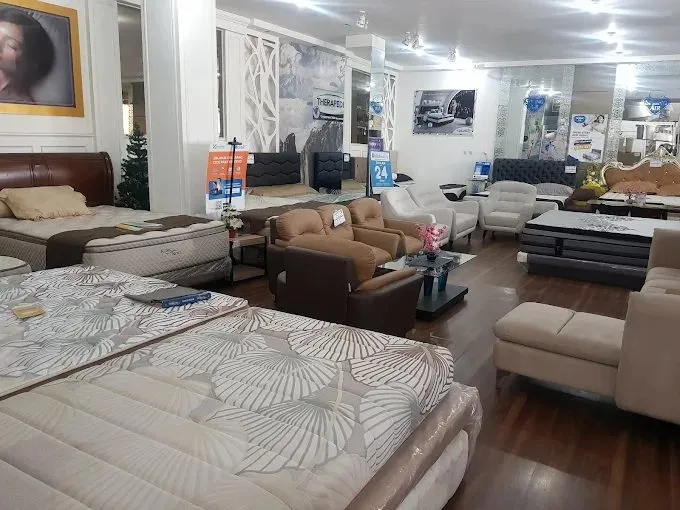
If you're heading to a showroom, take a tape measure and our showroom check with you — twelve minutes of sitting, measuring and squinting at the frame tells you more than an hour of scrolling. And if you're still unsure after all that, the honest answer is usually that the room wants a two-seater and a chair.