The Grown-Up Storage Swap: Sideboards vs TV Units in UK Living Rooms
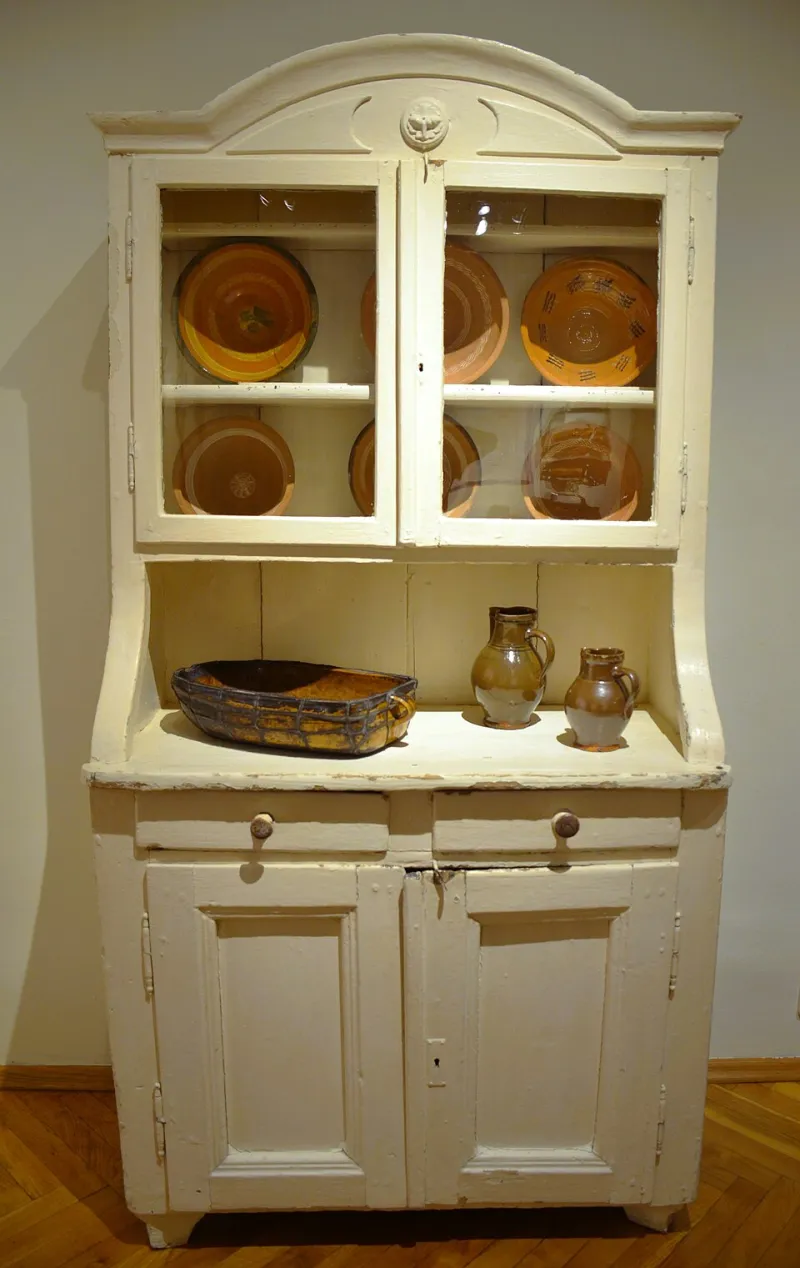
Photo: Silar, CC BY-SA 4.0, via Wikimedia Commons
For years, the TV unit has been the default piece of furniture in the British living room: a low, wide box with a shelf for the router and a tangle of cables behind it. It does a job, but it rarely does much for the room. The sideboard, once associated with dining rooms and grandparents, is back in a more useful form. It offers closed storage, a surface for a lamp or record player, and enough style to justify its footprint. In 2026, it is the storage buy that often beats another TV unit.
Why the sideboard is having a moment
A sideboard, or credenza if you prefer the American term, is essentially a low cabinet with doors or drawers. That simple shape is flexible. It can hold board games, table linen, chargers, craft supplies and the pile of post that accumulates by the door. Because it is usually taller than a TV unit, it hides clutter rather than displaying it. It also lifts the eye away from the floor, which can make a small room feel more considered. In a living room where the television is wall-mounted or sits on a slimmer bench, a sideboard can handle the storage without dominating the space.
Materials that survive real life
Solid oak or walnut is lovely but expensive and can move with humidity. A good veneer over MDF or plywood can be stable and hard-wearing; check that edges are sealed. Rattan and cane fronts add texture but are harder to clean. Glass looks light but shows dust. If you have children or pets, a painted finish can be practical but may chip. Ask whether the back is finished, especially if the sideboard will float in the room. A solid wood piece will age well if you look after it, but a well-made veneer can be the smarter buy for a busy household.
Sizing for British rooms
Measure the wall, not just the gap. A sideboard that is 160cm wide may fit, but leave room for doors to open and for a lamp. Depth matters in narrow terraces: 40cm to 45cm is useful, while 50cm plus starts to feel bulky. Height should relate to the sofa back and window sill. If it will sit under a TV, check the screen width and viewing height. A sideboard should not be so tall that the telly feels perched. For a typical two-up two-down, a 120cm to 150cm sideboard is often the sweet spot. In a larger open-plan room, a 180cm credenza can anchor the seating area.
Cable management without the spaghetti
One reason TV units persist is cables. A sideboard can handle them if you plan. Look for a removable or pre-drilled back panel, ventilation gaps and a shelf that can hide a power strip. Do not cram a router or games console into a closed cupboard without airflow. Use grommets, cable clips and a labelled power strip. If the sideboard has a solid back, you can often drill a hole, but check the warranty first. A sideboard with adjustable shelves is easier to adapt as kit changes.
Second-hand finds and what to check
Second-hand sideboards are where the value is. Mid-century teak, Ercol-style pieces and solid mahogany sideboards turn up in charity shops, auction sites and local classifieds. Check joints for wobble, drawers for smooth running, and veneer for lifting or water rings. Smell inside: damp or smoke can linger. Look for woodworm holes and ask about treatment. If it is painted, check whether the paint is covering damage. Hardware can be replaced, but missing keys for locked doors are annoying. Measure your car before you buy, and remember that a heavy sideboard may need two people and a stair check.
The shopper's checklist
- Does it fit the wall with room for doors and plugs?
- Is the back finished or will you see raw board?
- Are shelves adjustable and is there ventilation?
- Can cables pass through without drilling through a load-bearing part?
- Do drawers run smoothly and doors close evenly?
- Is the finish appropriate for pets, children and daily life?
- For second-hand, are joints tight and veneer sound?
- Does the price include delivery, and will it fit through the door?
A sideboard is not automatically better than a TV unit. If your room is tiny, your television is huge and your storage needs are minimal, a slim media bench may still be right. But if you want furniture that hides the mess and looks good doing it, the sideboard deserves a place on your shortlist. It is the grown-up storage swap that makes a living room feel less like a gadget zone and more like a room.