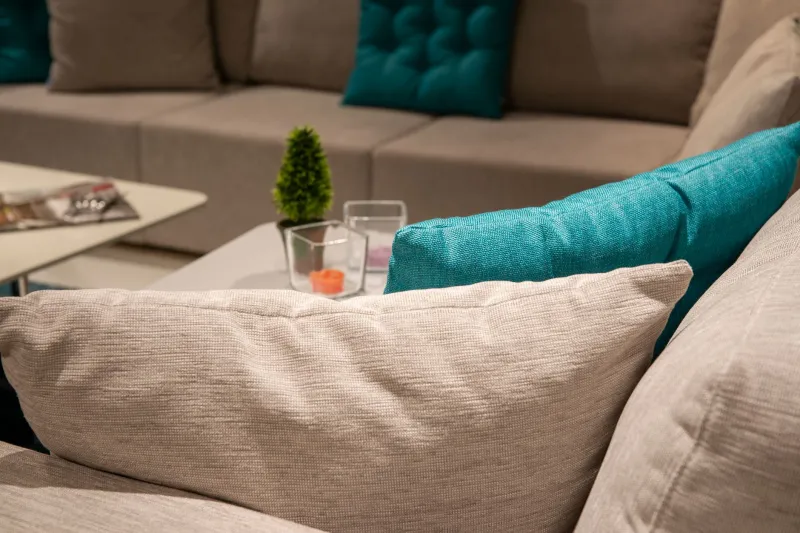
The Morning After the Muddy Walk: Sofa Fabrics That Survive UK Pets
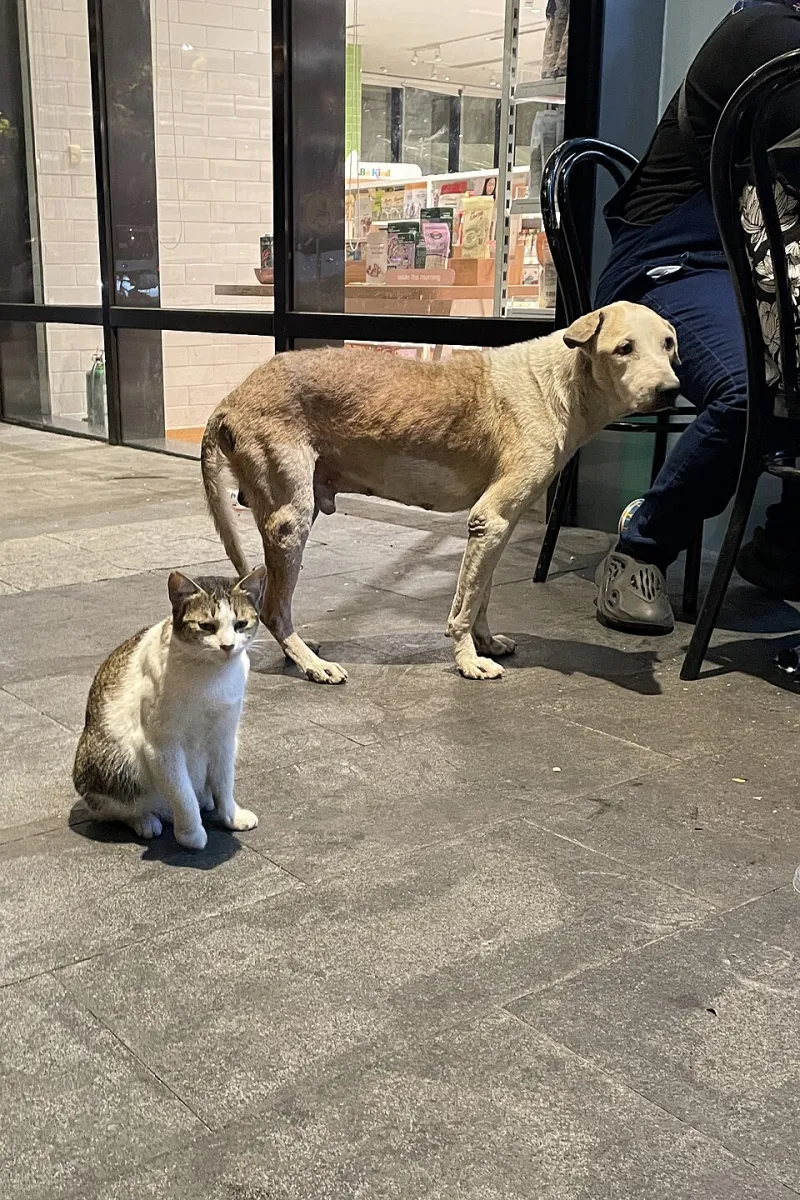
Photo: Aerous, CC BY-SA 4.0, via Wikimedia Commons
There is a particular British morning ritual that tells you everything about a sofa fabric. The dog comes back from the park with wet legs and a suspiciously cheerful expression. The cat has already claimed the sunniest cushion. You stand in the doorway holding a towel and realise that the sofa you chose for its looks is about to meet real life.
Pet-friendly upholstery is not a regulated term. A label can mean the fabric has a tight weave, a stain treatment, a certain rub count, or simply that the retailer knows pet owners ask. So the useful question is not 'is this pet-friendly?' but 'what will this specific cloth do when a claw catches it, a muddy paw lands on it, and a damp dog settles in for a sleep?'
Start With the Weave, Not the Buzzword
The single biggest factor is how tightly the fabric is constructed. A close, flat weave gives claws less to grab. Think of a good cotton or polyester flat weave as a smooth pavement: a claw can skate across it. A loose basketweave, a chunky bouclé or a linen blend with visible slubs is more like a gravel path. There are more edges to catch.
That does not mean flat weaves are invincible. A very fine, thin weave can still pull. The sweet spot is a firm cloth with a tight structure, a bit of weight in the hand, and no long floats or loose loops on the surface. If you can see the pattern as raised loops rather than flat threads, a cat will find them eventually.
The Honest Fabric Shortlist
Tight flat weaves and canvas-style cottons are the sensible starting point for most pet households. They handle muddy paws reasonably well, spot-clean without too much drama, and do not trap hair as aggressively as deep piles. The catch is that light colours show every wet nose print, and some cotton canvas covers shrink or fade if washed too hot. Check the care label before you fall for a pale oatmeal number.
Microfibre and tight synthetic blends are the quiet workhorses. They are usually smooth, resist liquid long enough for you to grab a cloth, and release pet hair more easily than velvet. The trade-off is that some microfibres can feel a little slippery or show oily patches where a dog rests. Ask how the cover should be cleaned. A mild detergent and a soft brush are often enough, but harsh products can flatten the pile.
Leather is excellent for muddy paws and odour, because it does not hold hair or absorb smells in the same way as fabric. But not all leather is equal. A pigmented, protected leather is the practical choice for claws and spills. An aniline or semi-aniline leather is beautiful and soft, but it will record every scratch and water mark like a family diary. If the cat uses the arm as a scratching post, even a tough leather will show it.
Velvet divides pet owners. A short, dense, cotton-rich velvet can be surprisingly hard-wearing, and it does not show hair as badly as a deep pile. A loose, drapey velvet with a long pile is a different story: claws leave tracks, and muddy paws can crush the nap. Performance velvets sound promising, but test them with a damp cloth and your fingernail before you trust the marketing.
Bouclé and loose loop fabrics are the ones to approach with caution. They look wonderful in a tidy living room. In a pet household, those loops are claw magnets. A single pull can create a run, and spot-cleaning a textured surface is fiddly. If you adore the look, keep it for a sofa the pets do not use, or accept that a repair will be part of ownership.
The Showroom Tests That Tell You More Than the Label
You do not need to damage a display sofa to learn a lot. Ask for a fabric swatch and spend five minutes on these checks.
The fingernail drag. Run the edge of a fingernail lightly across the swatch, following the weave. A tight cloth will resist. A loose one will lift threads or leave a visible track. Do not press hard; you are checking how easily the surface disturbs, not trying to wreck the sample.
The damp cloth test. Ask the sales assistant if you can dab a hidden corner of the swatch with a slightly damp white cloth. A fabric that instantly sucks in water will need more careful spot-cleaning. A treated fabric may bead, but be sceptical of any claim that it is fully waterproof.
The hair test. If you have a pet at home, take a small piece of their shed hair or a clean sticky lint roller to the shop. Press it onto the swatch. Some fabrics release hair with one pass. Others grip it. This is a far better guide than a general 'easy-clean' promise.
The rub-count question. Martindale rub counts are useful for general abrasion, but they are not a claw test. A 25,000-rub fabric may be fine for a quiet household and still snag under a determined cat. Use the number as a baseline, not a guarantee. For a busy pet home, look for a firm weave and a retailer who will explain the construction, not just quote a figure.
Mud, Odour and the Covers Question
Mud is easier than odour. Most tight-weave fabrics can be blotted and cleaned with a mild upholstery shampoo, but the key is speed. Keep a clean towel and a pet-safe cleaning cloth near the door. For smells, removable covers are a genuine advantage. A sofa with zip-off, machine-washable covers is not just convenient; it is a long-term insurance policy against the wet-dog smell that settles into foam and backing.
If the covers are not removable, ask about professional cleaning costs in your area before you buy. A sofa that is cheap to purchase but expensive to clean every winter is not the bargain it appears to be.
The Bottom Line for UK Pet Homes
The most pet-resistant sofa is usually a firm, tight weave or a protected leather in a mid-tone colour, with covers you can clean and a frame you can live with for years. Velvet can work if it is short and dense. Bouclé is a lovely risk. And any fabric described as pet-friendly deserves one simple follow-up: 'What exactly makes it so, and can I test a swatch?'
Pets will always leave a mark on a home. The aim is to choose a sofa where that mark is a muddy paw print you can wipe away, not a pulled thread you have to explain to guests.