Sofa Beds vs Daybeds: The Spare-Room Decision Most Brits Get Backwards

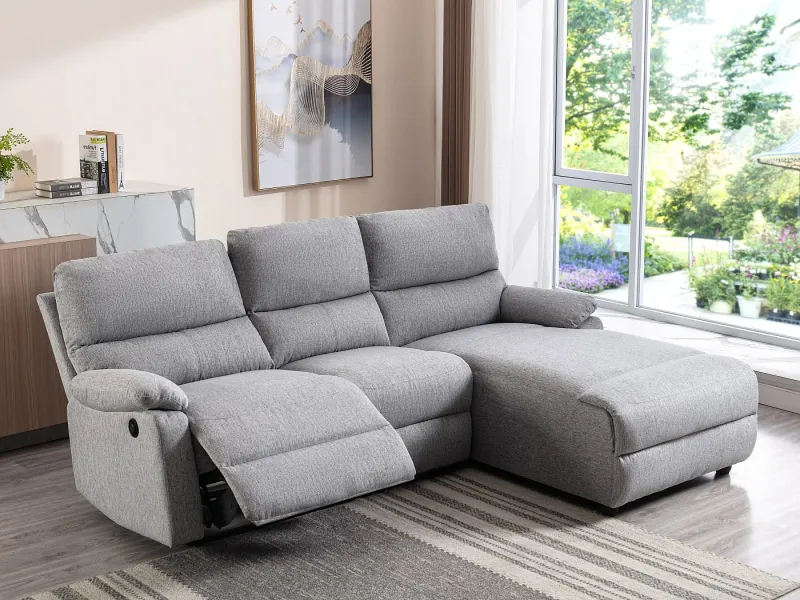
Photo: spare room daybed guest room interior UK home, via www.torquenews.com
Every spare room has a fantasy version of itself. In that version, the sofa bed is a handsome everyday sofa, and on the two nights a year your cousin visits it becomes a hotel-quality bed. The reality is usually a metal bar, a thin mattress and a pile of bedding on the landing. In 2026, sofa beds remain one of Britain's most regretted furniture purchases. So let us road-test the idea — not one model, but the whole category — against daybeds, trundles and high-quality airbeds.
How we judged the spare-room options
We looked at three things: guest comfort, daily usability and long-term wear. Guest comfort means whether an adult can sleep on it without waking up annoyed. Daily usability means how well it works as furniture when nobody is staying. Long-term wear means what happens after years of sitting, unfolding, folding and storing bedding.
We also did the uncomfortable maths: cost per night. Take the purchase price, divide it by the number of nights it will realistically be used over its life, and add the cost of bedding storage and replacement. It is not a perfect measure, but it exposes the difference between a clever purchase and an expensive cupboard filler.
Sofa beds: the mechanism decides everything
A sofa bed is a compromise machine. The mechanism is where the regret hides, and the cheapest versions hide it worst.
Click-clack sofa beds
These are the £300–£600 staples of online furniture retail. They fold flat with a simple hinge and usually have a thin foam mattress built into the seat. They are fine for a teenager for one night. They are not fine for a couple for a week. The notorious crossbar is real, the mattress is often under 10 cm thick, and the daily sofa experience is usually firm and shallow. Buy one only if the room is barely used and the guest is flexible.
Pull-out sofa beds
A pull-out frame with a proper mattress is a step up. You get more thickness, better support and a more sofa-like seat during the day. But you need clearance in front of the sofa, a clear path through the door, and somewhere to store the bedding. They are heavier than they look. A good pull-out can work for regular guests, but it is still a piece of furniture doing two jobs — and it rarely does both brilliantly.
Fold-out and futon-style options
Simple, firm and often quite stylish, these can double as a casual sofa. The mattress is usually firm and flat, which suits some backs and ruins others. They are best for a snug, a teen room or a guest who likes a hard bed. They are not the answer for a visiting parent with a bad hip.
The mattress is the deal-breaker
The difference between a usable sofa bed and a regretted one is often 4 cm of foam. Many sofa bed mattresses are 8–12 cm thick. Under 10 cm, most adults will feel the frame or the bar. Around 12–15 cm, you are in acceptable territory. Memory foam can feel comfortable at first but sleeps hot; sprung or hybrid sofa bed mattresses tend to breathe better. Always ask whether the mattress is replaceable. If it is not, the whole piece has a shorter life.
And try it. Lie on it in the showroom for fifteen minutes, not fifteen seconds. Guests are polite about bad beds; their backs are not.
Daybeds: the quiet winner for box rooms
A daybed is the spare-room option most Brits overlook. It works as a sofa or reading spot every day, and it sleeps one person without unfolding, inflating or reassembling anything. Because there is no mechanism, the mattress can be thicker and more comfortable. You can often store bedding in baskets underneath. It is excellent for a single guest, a teenager or a study that occasionally becomes a bedroom.
It is not good for couples, and it is not a full-time double bed. But for a small UK spare room, a daybed often delivers better guest comfort and far better daily usability than a cheap sofa bed.
Trundles: good for kids, less good for adults
A trundle bed hides a second mattress underneath the main one. It is brilliant for grandchildren, teenagers and sleepovers. It is less brilliant for two adults, because the lower mattress is usually thin and close to the floor. Set-up is simple but not instant. If your guest profile is young and flexible, a trundle can be excellent value. If it is your in-laws, keep looking.
High-quality airbeds: the honest occasional option
Modern airbeds are not the lilos of old. A good one with a built-in pump, a flocked top and 20–25 cm of height can be genuinely comfortable for a few nights. It stores in a cupboard, costs far less than a sofa bed and can be paired with a comfortable chair that the room actually needs. The downsides are puncture risk, pump noise and the fact that it is not furniture. For guests who stay fewer than ten nights a year, that is often a fair trade.
The cost-per-night reality check
A £900 sofa bed used for 12 nights a year over eight years gives you 96 nights — roughly £9.40 a night before bedding and storage. A £550 daybed used for 18 nights a year over ten years gives you 180 nights — about £3.06 a night. A £120 airbed used for eight nights a year over four years gives you 32 nights — around £3.75 a night. These numbers are rough, but they show how quickly a rarely used sofa bed becomes expensive. A cheap sofa bed that needs replacing in three years is even worse value.
When a sofa bed genuinely earns its space
A sofa bed makes sense when the room must be a double bedroom occasionally and there is no space for a proper guest bed. It makes sense if guests stay more than fifteen nights a year, if you need a double for couples, and if you have measured the clearance and have somewhere to store bedding. It also makes sense if you spend enough to get a decent mechanism and a replaceable mattress — think £900 and up, not £350.
It makes less sense if the room is tiny, the guests are infrequent, the main daily need is comfortable seating, or the visitors are older or have back trouble. In those cases, a daybed, a trundle for younger guests, or a good chair plus a quality airbed will usually serve you better.
The Furniture Road verdict
Most UK spare rooms would be better served by a daybed or an everyday chair with a proper airbed in the cupboard. Buy a sofa bed only when the room genuinely has to become a double bedroom, and judge it on the mechanism and the mattress rather than the fabric on the arm. Your guests will not tell you about the bar in the middle of the night. They will just leave early.