What Separates a £600 Sofa From a £2,500 One? A 2026 Buyer's Teardown
Photo: Internet Archive Book Images, No restrictions, via Wikimedia Commons
Sofa shopping in the UK has a way of making £1,200 feel modest and £2,500 feel normal. That is dangerous. The useful question is not 'which sofa is best?' but 'what actually changes when I move up a price band?' In 2026, the answer is more about timber, springs, foam and fabric than the label on the arm. Here is a practical teardown of three representative sofas at £600, £1,200 and £2,500.
The £600 sofa: a starter kit, not a scam
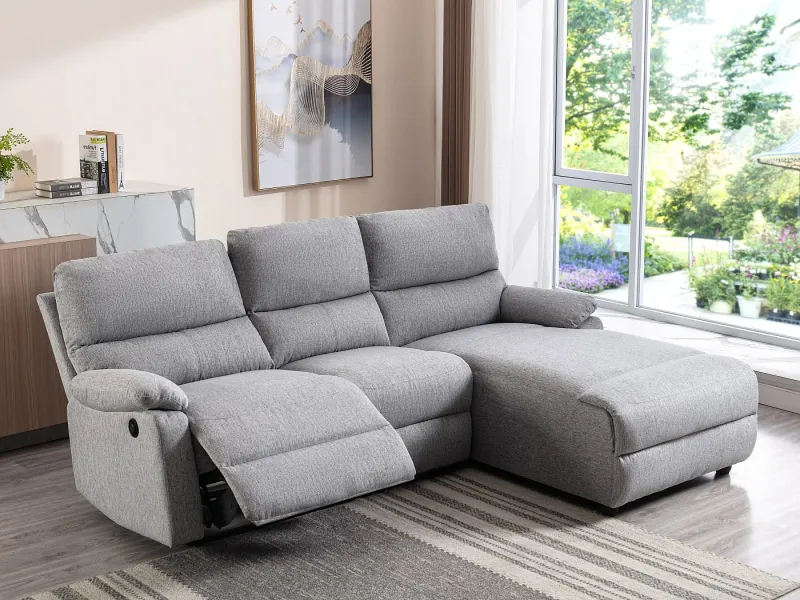
At this end of the market, you are usually getting a softwood or engineered timber frame, with hardwood reserved for key rails if you are lucky. Joinery tends to be stapled, screwed and glued rather than properly dowelled. Corner blocks may be present but not always generous. Suspension is often elastic webbing or basic sinuous springs. Seat cushions are commonly in the 25–30 kg/m3 foam range, and the fabric may sit around 20,000–25,000 Martindale rubs. Warranties are typically one to two years on the frame and shorter on cushions.
None of that makes a £600 sofa dishonest. For a spare room, a first flat or a light-use snug, it can be perfectly sensible. The trouble starts when it is sold as a family sofa for nightly use. Cheaper foam flattens, basic springs soften and stapled joints can loosen. You are not paying for rubbish; you are paying for a shorter service life.
The £1,200 sofa: where the money starts working
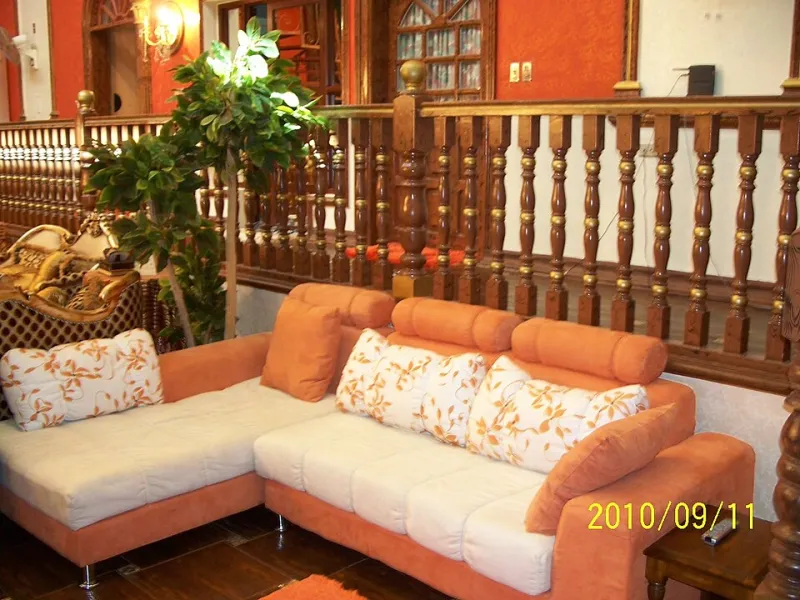
This is often the value sweet spot. At around £1,200, a UK shopper can reasonably expect a hardwood frame in the main structure, dowelled or screwed corner blocks, and a more substantial suspension system. Seat foam usually moves into the 30–35 kg/m3 range, often with a fibre or feather wrap for a softer initial sit. Fabric durability commonly climbs to 30,000–40,000 rubs, and removable covers become more likely. Frame warranties of five to ten years start to appear.
The gains are practical rather than glamorous: less creaking, cushions that hold their shape for longer, and a seat that still feels supportive after a few years of EastEnders and Sunday lunches. If the sofa will be used daily, this band is usually the sensible floor for a household that wants one purchase to last.
The £2,500 sofa: real upgrades, diminishing returns
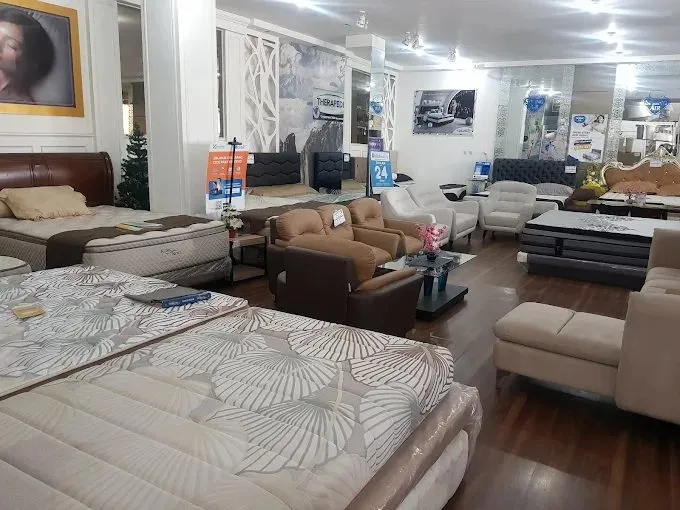
At £2,500, you should see better timber selection, stronger joinery and a more sophisticated suspension setup — pocket springs, for example, rather than basic sinuous springs. Seat foam may reach 35–40 kg/m3, with feather or fibre wraps and more careful tailoring. Fabrics can move above 40,000 rubs, and natural blends or performance finishes become more common. Warranty terms often extend to ten or fifteen years on the frame.
Are these real improvements? Yes. Will the sofa last twice as long as a good £1,200 model? Not necessarily. The extra money often buys a combination of longer life, better comfort, a wider fabric choice, made-to-order sizing and brand positioning. Some of that is worth paying for. Some of it is simply the cost of a prettier showroom.
The parts comparison
| Component | £600 sofa | £1,200 sofa | £2,500 sofa |
|---|---|---|---|
| Frame timber | Softwood or engineered timber, some hardwood rails | Hardwood main frame, stronger rails | Better-grade hardwood, more consistent selection |
| Joinery | Staples, screws, glue, basic blocks | Dowelled or screwed joints, reinforced blocks | Stronger jointing, more rigid construction |
| Suspension | Webbing or basic sinuous springs | Better sinuous springs or entry pocket springs | Pocket springs or higher-spec suspension |
| Seat foam | 25–30 kg/m3 | 30–35 kg/m3, often wrapped | 35–40 kg/m3, tailored wrapping |
| Fabric | 20,000–25,000 rubs | 30,000–40,000 rubs | 40,000+ rubs or specialist fabrics |
| Warranty | 1–2 years typical | 5–10 years on frame | 10–15 years on frame |
Where extra money genuinely improves comfort and longevity
The biggest real-world upgrades are frame rigidity, seat foam density and suspension quality. A well-built frame stops the sofa twisting; denser foam resists flattening; good springs spread weight instead of creating a dip where you always sit. Fabric rub count matters too, especially in busy homes with pets, jeans and children. Warranty terms are a useful clue, but read what is actually covered: frame only, or cushions and sagging as well?
If you sit on your sofa every evening, £1,200 is likely to be better value than £600 over ten years. If you want a specific fabric, a made-to-measure size or a ten-year frame guarantee, £2,500 can be justified. The mistake is assuming the higher price automatically means better components. It does not.
Where it mostly buys styling or brand
A large chunk of the jump from £1,200 to £2,500 can be styling: trend-led bouclé, velvet, curved silhouettes, deep buttoning, brass feet, a designer name or a particular retailer's delivery experience. None of that is worthless — a sofa is furniture you look at every day — but it is not the same as durability. A £2,500 sofa in a delicate fabric can wear faster than a £1,200 sofa in a 40,000-rub weave.
The shopper's checklist before paying more
Ask for the specification sheet, not just the sales patter. What timber is the frame, and where is it used? How are the joints reinforced? What suspension system is fitted? What is the foam density of the seat cushions? What is the fabric's Martindale rub count and composition? Are the covers removable and washable? Does the warranty cover frame, springs, foam and stitching? Can the cushions be replaced? What is the delivery and returns policy if it will not fit through the door?
Then sit on it properly. Fifteen minutes, not fifteen seconds. Shuffle around. Lie down if you plan to. A sofa is a long-term relationship; the showroom is just the first date.
The Furniture Road verdict
Buy the £600 sofa if the room is occasional and the budget is tight. Buy the £1,200 sofa if it is going to be used daily and you want the best balance of comfort and lifespan. Pay £2,500 when you want a specific look, a longer warranty or a genuinely better seat — but only after you have checked the parts. Spend on frame, foam, springs and fabric. Do not pay extra just for a name.