Read the Care Label Like a Contract: Sofa Cleaning Codes Before the First Spill
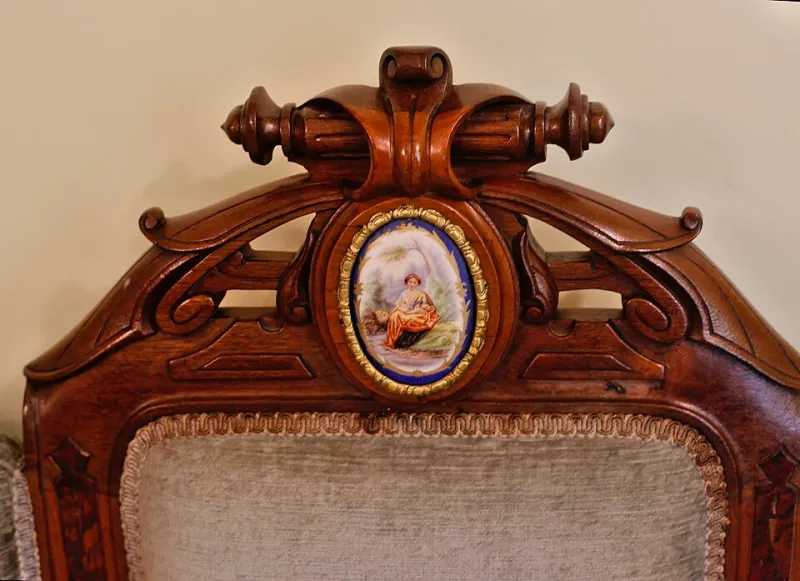
Photo: DutchTreat, CC BY-SA 4.0, via Wikimedia Commons
Most of us treat the care label on a sofa the way we treat the terms and conditions on a parking app: we know it exists, we assume it is fine, and we read it only when something has gone wrong. Then a mug of tea goes over, or the dog brings half the park in on its paws, and suddenly those little letters matter more than the cushion colour.
Sofa cleaning codes are not decorative. They are the manufacturer's instruction for what will and will not damage the fabric. Get them wrong and you can shorten the life of the upholstery, create a water mark that never comes out, or give a retailer a very reasonable excuse to say the damage was caused by misuse. So before the next spill, it is worth reading the label like a contract.
Where to find the code, and why it is easy to miss
On most UK sofas, the cleaning code sits on a label attached to the underside of a seat cushion, the frame under the sofa, or sometimes the back of the loose cover. It is usually a short line of text with a letter or two: W, S, X, WS, or a dry-clean-only instruction. Some labels combine the code with fibre content and a few general warnings.
If you cannot find it, check the product page or ask the retailer before you buy. A care label that has been removed or lost is not a minor detail. It is the reference point for every cleaning decision you will make over the next decade.
What W, S and X actually mean
W means water-based cleaning is acceptable. The fabric can generally be cleaned with a water-based upholstery shampoo or foam, following the product instructions. It does not mean you can soak the cushion like a bath mat. Think controlled, light application and thorough blotting.
S means solvent-based cleaning only. Water is the enemy here. A water-based cleaner can leave rings, shrink fibres or distort the weave. Use a solvent-based upholstery cleaner, often labelled for dry-clean or solvent use, and test it first.
X means vacuum only. No liquid cleaner, no foam, no home shampoo. For anything more than surface dust, the sensible route is a professional upholstery cleaner who knows how to work with the fabric. X is not a challenge. It is a stop sign.
WS or W/S means either water-based or solvent-based cleaning is acceptable. That gives you more room to manoeuvre, but it does not make the sofa indestructible. Patch-test either product first.
Dry clean only is exactly what it says. This is common on some delicate weaves, wool blends and fixed covers. Do not remove covers and put them in the washing machine unless the label explicitly says so. A dry-clean-only sofa is a professional cleaning job, not a Sunday afternoon project.
The patch test is not optional
Even when the label says W, test in a hidden area first: the back of a cushion, the underside of a seat, or a section that faces the wall. Apply a small amount of the cleaner, blot it, and let it dry completely. Drying is the important bit. Some fabrics look fine when damp and reveal a ring or a colour change an hour later.
Use a white cloth so you can see whether dye is transferring. If the fabric pills, darkens, stiffens or loses colour, stop. Do not try to 'fix' it with more product. That is how a small test patch becomes a very visible problem.
Five cleaning mistakes that do real damage
- Scrubbing instead of blotting. Friction can fuzz the weave, push a stain deeper and leave a permanently rough patch. Blot from the outside in.
- Soaking the cushion. Too much water is a common cause of rings, shrinkage and soggy foam. Use the minimum amount of cleaner and blot thoroughly.
- Reaching for vinegar and bicarbonate as a default. They are brilliant in a kitchen, less brilliant on an unknown upholstery fibre. They can affect dye and leave residue.
- Steam-cleaning a code S or X fabric. A home steam cleaner can force moisture into a fabric that was never meant to get wet. Check the code before the steam wand comes out.
- Washing loose covers that are not machine-washable. If the label does not explicitly allow it, do not assume. Shrinkage is rarely reversible.
These are also the mistakes most likely to complicate a warranty claim. Retailers can be understanding about accidents, but they are less sympathetic when a water-based product has been used on a solvent-only fabric or a cover has been washed against the care instructions.
Build a small spill kit before you need it
A sensible sofa spill kit does not need to be elaborate: a few white microfiber cloths, a mild upholstery cleaner that matches the code, a solvent-based cleaner if the label says S, and a note of the cleaning code somewhere you can find it. For W fabrics, distilled water is useful because it avoids adding minerals from tap water to the fabric.
When something spills, blot first. Do not rub. Work from the edge of the stain inwards so you do not spread it. Then use the smallest amount of the correct cleaner, blot again, and let it air-dry away from direct heat. A hairdryer on full blast can set a mark or distort the fabric.
When to call a professional
A professional upholstery cleaner is worth the call when the label says X or dry clean only, when the stain covers a large area, when the fabric is wool, silk, velvet or a delicate weave, or when your own patch test made you nervous. In the UK, expect to pay roughly £80 to £200 depending on the size of the sofa, the fabric and the level of work. That can sound steep until you compare it with the cost of replacing a sofa because a homemade remedy went wrong.
Ask the cleaner what method they use and whether they have experience with your fabric code. A good cleaner will ask for the label information before they arrive. That is a reassuring sign, not a fussy one.
The label is there to save you money
A sofa is one of the most-used pieces of furniture in a British home, and most of us will spill something on it eventually. The care label is not there to make cleaning feel complicated. It is there to stop you using the wrong product on the wrong fabric. Read it before the spill, keep a note of the code, patch-test anything you apply, and call in a professional when the label tells you to. That is a far cheaper habit than learning the hard way.