When the Cushion Rips: What UK Contents Insurance Actually Pays For

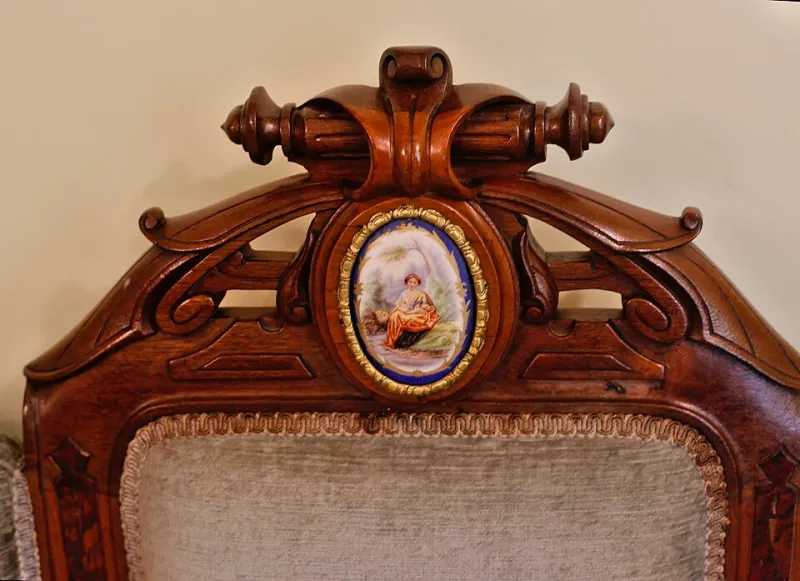
Photo: Giles Laurent, CC BY-SA 4.0, via Wikimedia Commons
The cushion catches on a zip, or a claw, or the corner of a hoover, and there's a three-inch tear in the seat. Your first thought is the sofa. Your second is the insurance. Your third, usually a fortnight later, is a letter explaining that the claim has been declined under the wear-and-tear clause.
Sofa damage sits in an awkward gap between two systems. The retailer's guarantee covers manufacturing faults. Home contents insurance covers sudden, unforeseen events. A torn cushion is neither, most of the time, and the gap between the two is where most claims quietly die.
First, work out which system you're actually in
Before you ring anyone, decide what kind of problem you have.
- A fault: seams failing without contact, foam collapsing in a year, a recliner mechanism that's given up. That's the retailer or manufacturer, under the guarantee — not the insurer.
- An accident: a rip from a hoover nozzle, a spill of nail varnish, a lamp knocked into the arm, a cigarette burn. This is where accidental damage cover might apply.
- Wear and tear: fading in a sunny bay window, flattened cushions, scuffed arms from the doorway, pilling. Almost universally excluded. No policy pays for a sofa getting older.
Getting this wrong is the most common reason people end up annoyed at their insurer for something that was never covered in the first place.
The clause that decides everything
Standard contents cover on its own tends to protect against fire, flood, theft and a short list of named events. A random tear isn't on that list. You need accidental damage cover — either as an add-on or as part of a premium tier — and even then, read the wording rather than the marketing.
Things to look for in the policy document:
- Is accidental damage included at all, and does it cover furniture specifically, or only the fixtures and fittings?
- The single article limit. Most policies cap any one item. If your sofa cost £2,400 and the limit is £1,500, that's your ceiling regardless of the damage.
- The excess. A £250 excess against a £400 repair bill turns a claim into a coin toss with paperwork.
- Pet damage. Many UK policies exclude damage caused by pets — chewed corners, claw tears, scratched arms. Some will cover it if you've declared the animal; many won't, full stop.
- Matching items or pairs and sets. This is the one people miss. If one cushion cover is discontinued, a strict policy may only pay for the damaged one, leaving you with a mismatched sofa and a small cheque.
'New for old' rarely means a new sofa
Contents policies usually settle on a new-for-old basis for household goods, which sounds like a straight replacement and almost never is.
In practice you'll be offered one of three things: a repair by an approved specialist, a replacement of the damaged component (a cushion cover, a single seat pad), or a cash settlement based on what it would cost to buy something comparable today. If your sofa has been discontinued, 'comparable' becomes a judgement call, and the figure often lands below what you paid — particularly if the original price included a delivery charge or a promotion.
There's also betterment to consider. If the rest of the sofa is four years old and one seat is being renewed, some insurers will apply a deduction for the improvement in your position. Others won't. It varies wildly, which is why the wording matters more than the brand of the insurer.
A quick worked example. Sofa bought for £1,800 in 2023. Accidental damage cover with a £200 excess. Repair quote £650. If the insurer accepts it and pays the repair, you're £450 better off and the sofa stays. If they offer a cash settlement at depreciated value of £380, less the £200 excess, you're looking at £180 and a still-torn cushion. Same policy, very different day.
Photograph everything before you need to
Insurers ask for proof of ownership and proof of damage, and the second one is easy at the time and impossible three weeks later.
Do this while nothing is wrong:
- A photo of the whole sofa in the room, showing it's a normal household item in use.
- A close-up of the fabric care label or the brand and model tag, usually tucked under a seat cushion or stapled to the frame.
- Your order confirmation or receipt, saved as a PDF rather than lost in an inbox.
- A photo of the room's layout, which helps if you ever need to explain how something happened.
Then, when the tear happens: photograph the damage close up, photograph it in context, don't attempt a repair that hides the evidence, and don't bin a removable cover before the assessor has seen it.
Report it quickly, and don't over-explain
Most policies require notification within a reasonable period — often 30 days, sometimes less for theft. Report as soon as it's clear the damage isn't going to buff out. Stick to what happened in plain language: 'the hoover nozzle caught the seam while I was cleaning' is fine. Speculating about how it might have been your own fault, or how it might have been there for months, only muddies a claim that was otherwise straightforward.
If the damage is under your excess, consider paying for it yourself. A claim on the record can affect future premiums, and a small claim isn't always worth the long-term cost.
The honest summary
Contents insurance is designed for sudden, unlikely, expensive events. A ripped cushion is sudden and annoying, but it's usually cheap enough to fall under the excess or old enough to trip the wear-and-tear exclusion. Where it genuinely earns its keep is the big stuff: a burst pipe across the seat cushions, a fire, a burglary that takes the whole suite.
So check your accidental damage cover, note your single article limit, and photograph the label under the seat. Then treat the sofa guarantee as your first port of call for anything that looks like a fault, and the insurer as the backstop for the genuinely unlucky.