Sag, Flop or Bloom: The Honest Life Cycle of Foam, Fibre and Feather Cushions
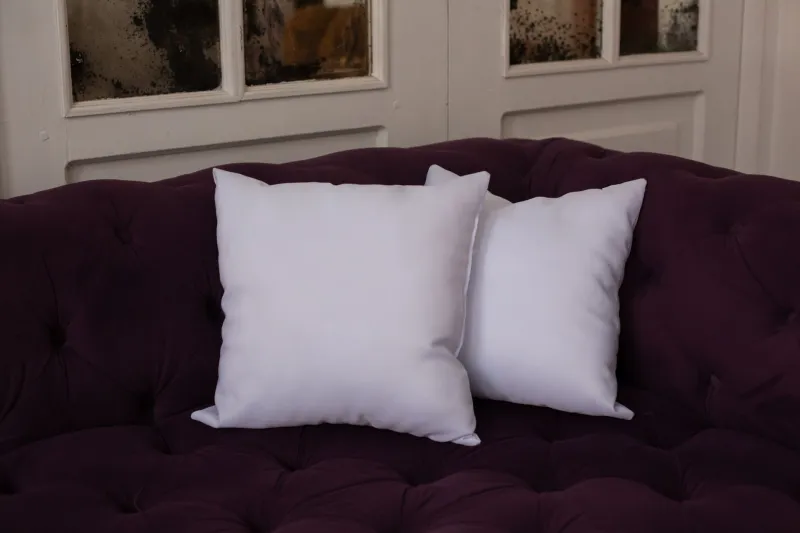
Photo: Neoclassicism Enthusiast, CC0, via Wikimedia Commons
A sofa is a long-term relationship, but cushions are where that relationship gets tested. The frame might be solid oak, the fabric might be stain-resistant wizardry, and the springs might have a 20-year guarantee. Yet the bit you actually sit on is usually a bag of foam, fibre or feathers. And in a British home, that bag has to survive damp air, dry central heating, a dog that thinks it owns the corner seat, and the daily flop of someone who has just come in from the rain.
So before you fall for a sofa in 2026, it is worth asking a less glamorous question: what will these cushions look like after two winters? Not two showroom visits. Two proper winters, with the heating on, the windows shut, and the Sunday afternoon nap routine in full swing.
Why two winters is the honest test
Most cushion fillings feel lovely when new. That is not the issue. The issue is how they behave once they have been compressed, warmed, cooled, squashed and generally treated like furniture rather than a museum exhibit.
British homes add their own pressure. Central heating can dry out foam and make some fibres brittle-feeling. Damp winter air can leave cushions feeling flatter and less buoyant, especially in older terraces or rooms where the windows stream with condensation. And because many of us keep windows closed for months, cushions do not get much natural airing. Add a household routine of flopping onto the same seat every evening, and you have a pretty effective ageing machine.
That is why a five-minute sit in a shop is only the start. You need to know how each filling responds to being lived on.
Foam: the steady sagger
Foam is the dependable one. It holds its shape well when new, feels supportive, and does not demand much attention. If you want a sofa that looks tidy with minimal effort, foam — or a foam-and-fibre wrap — is usually the sensible starting point.
But foam is not immortal. Over two winters, the seat cushions you use most will soften. That is not necessarily a fault; it is the foam compressing and losing a bit of its bounce. The change tends to be gradual: a slight dip in the middle, a seat that feels a little lower than its neighbour, a front edge that starts to look tired.
High-density foam ages far better than cheap, low-density foam. This is where the £600 sofa and the £2,500 sofa often part company. A budget foam cushion can feel noticeably collapsed within a couple of years of daily use, while a good high-resilience foam can keep its shape for much longer. The cover matters too. A tight, well-filled cover disguises mild softening; a loose cover lets you see every lump and crease.
Plumping effort: low. You might rotate the cushions every few weeks, but you will not be wrestling them back into shape every morning.
Replacement cost: moderate. A single foam seat insert might cost roughly £40–£90 depending on size and density, with a full set often landing somewhere between £150 and £350. That is not nothing, but it is manageable — and it is often cheaper than replacing the sofa.
Fibre: the daily fluffer
Fibre cushions — usually polyester fibre or a fibre-blend — have a soft, sink-in feel that many people love in the showroom. They look plump, feel cosy and tend to be cheaper than feather. For a spare-room sofa or a occasional-use snuggler, that can be a fair trade.
In a main family lounge, though, fibre is the filling that asks the most of you. Over two winters, it tends to clump, flatten and migrate inside the cover. You get the classic fibre problem: the cushion starts to look like a deflated pillow, with empty corners and a dense little nugget of filling in the middle. Daily plumping helps, but it becomes exactly that — daily.
Fibre also tends to lose loft faster in dry, heated rooms. The upside is that it is light and easy to handle. The downside is that “easy care” is a relative term. If you are happy to give cushions a firm shake and a turn most days, fibre can work. If you want to flop on the sofa and forget about it, fibre may start to annoy you by February.
Plumping effort: high. Expect to plump daily, rotate weekly, and occasionally massage the filling back into the corners.
Replacement cost: low to moderate. Fibre inserts are often £20–£50 each, with a full set maybe £80–£200. The catch is that cheaper fibre may need replacing sooner, so the long-term cost can creep up.
Feather: the luxurious diva
Feather cushions feel wonderful. They mould around you, look relaxed and give a sofa that squishy, country-house comfort. Feather-and-down blends are even softer. But they are not low-maintenance, and anyone who tells you otherwise has probably never owned a feather sofa in a busy household.
Feather cushions need regular plumping to keep their shape. Without it, they flatten, shift and develop bald patches where the feathers have migrated. Over two winters, you can expect to spend more time chopping and turning them than you would with foam. Some people find that ritual charming. Others find it a chore by the second week.
There is also the poke factor. Feather quills can work their way through cheaper covers, and the cushions can sound rustly when you sit down. Good quality feather cushions use a tight down-proof cover and a well-sewn inner case, which reduces the problem. Cheap feather cushions can be a prickly disappointment.
Damp air is not a friend either. Feather cushions can feel a bit flat and heavy in humid winter rooms, and they benefit from being aired. In a well-heated, well-ventilated home, they are lovely. In a chilly spare room that gets used twice a month, they may be overkill.
Plumping effort: very high. Daily chopping, turning and redistributing is the price of admission.
Replacement cost: moderate to high. Feather inserts often run £60–£120 each, and a full set can be £250–£450 or more. You can top up the filling, but it is fiddly.
The two-winter comparison at a glance
| Filling | Shape after two winters | Plumping effort | Typical replacement cost | Best for |
|---|---|---|---|---|
| Foam | Softens, may dip in the busiest seat | Low | £40–£90 per seat insert | Busy family lounges, low-faff households |
| Fibre | Clumps and flattens; needs regular shaking | High | £20–£50 per insert | Spare rooms, occasional use, budget buys |
| Feather | Moulds beautifully but flattens without care | Very high | £60–£120 per insert | Comfort-led lounges where someone enjoys the ritual |
The showroom test UK buyers should actually use
You cannot fast-forward two winters in a shop, but you can spot the warning signs. Try this sequence on any sofa you are seriously considering.
First, press the centre of the seat cushion firmly with your palm and count to five. Release it. Does it spring back within a few seconds, or does it leave a shallow handprint? A little recovery is normal; a lingering dent is not a great sign.
Second, lift one corner of the cushion. Does the filling stay roughly in place, or does it slide away from the corner? If the cover suddenly feels empty at the edge, that filling will likely migrate at home.
Third, sit on it properly for at least five minutes. Not a polite perch — sit as you would at home. Then shift to the next cushion and compare. If the first seat already feels flatter, imagine that with two winters of use.
Fourth, unzip a cushion if you can. Look at the filling: is it a neat block of foam, a loose fibre cluster, or a feather mix? Ask what the density is, whether the cover is down-proof, and whether replacement inserts are available. A sofa with replaceable cushions is a far better long-term bet than one with sealed, non-replaceable pads.
Finally, ask yourself a brutally practical question: are you willing to plump this cushion most days? If the answer is no, avoid feather and think carefully about fibre. Foam is not exciting, but it is the filling most likely to still look presentable when the heating has been on for months and the Sunday nap has become a weekly institution.
In 2026, the best sofa cushion is not the softest one in the showroom. It is the one whose filling matches your actual habits — and your patience — after the honeymoon period ends.