The Sofa That's Already Been Sat On: A Sensible Guide to Ex-Display Buys

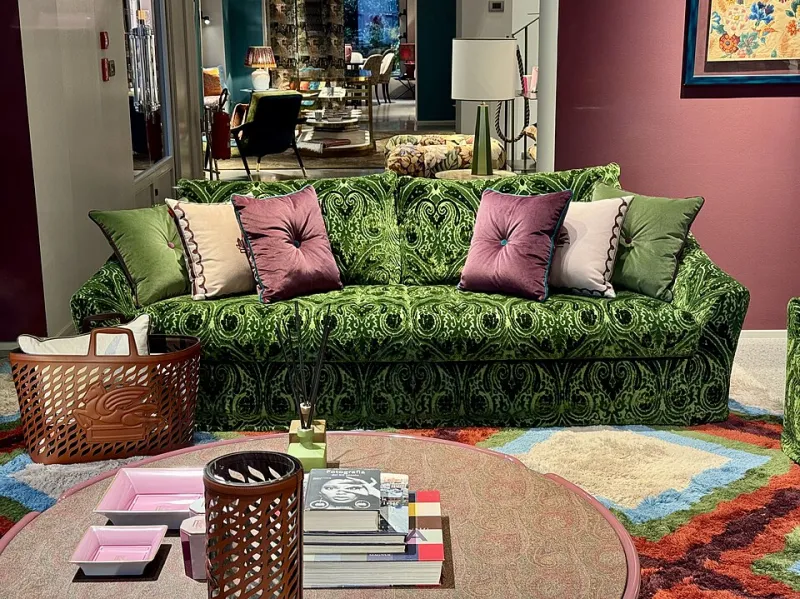
There is a certain romance to the ex-display sofa. It is the one you sat on six weeks ago, admired, then reluctantly left behind because the price tag was a little too ambitious. Now it is back — same sofa, smaller number on the ticket — and suddenly it feels like fate.
But a showroom is not a quiet museum. It is a busy, bright, heavily trafficked space where people flop, perch, eat, drink, and let their children test the springs. None of that makes an ex-display sofa a bad buy. It just means the discount is paying for a story you have not been told. The trick is finding out what that story is before you hand over your card.
Why an Ex-Display Sofa Is Not the Same as a Returned One
These two get lumped together, but they have had very different lives. A returned sofa might have spent a weekend in someone's lounge before going back. An ex-display sofa has been on public duty, often for months, in a room with dozens of strangers passing through every day.
The wear is not always obvious. A fabric that looks pristine under showroom lighting may have flattened pile where hundreds of people have sat in the same spot. A cushion might look plump because a sales assistant has just plumped it. The frame could be perfectly sound, but the seat cushions may have taken more of a beating than the ticket admits.
So the first question is not "how much is off?" It is "how long has it been on the floor, and what has it been doing?" A sofa that arrived last week and was sold as a display model for a short promotion is a very different proposition from one that has been in the window since spring.
The Showroom Floor Is a Tough Gig
Think about everything a sofa in a showroom endures. Daylight streams through large windows for hours on end, fading one arm more than the other. Cleaning staff wipe and vacuum around it. Shoppers with wet coats and heavy bags drop onto it. Children bounce. Adults sit sideways. Somebody leans on the arm to get up, over and over, until the padding starts to soften.
That is not a reason to walk away. It is a reason to look closely. Take the cushions off, if the staff will let you. Run your hand along the frame and the seams. Look at the arms and the top of the back, where hands and heads rest. Check the fabric at the front edge of the seat, because that is where jeans and shoes do their quiet damage.
If the sofa has removable covers, ask whether they have been washed. If it has a fixed cover, ask how it has been cleaned. A showroom can be spotless on the surface and still hide a faint tide mark from an earlier spill.
What Discount Actually Buys You
A reduced ticket is not a favour; it is a trade. You are accepting some wear in exchange for money off. The question is whether the wear is proportionate. A small mark on the back of a sofa that will sit against a wall is easy to live with. A collapsed seat cushion in the spot you will use every evening is not.
Be sceptical of discounts that still leave the sofa close to its original price. Ex-display should mean a meaningful reduction, especially if the model has been discontinued or the fabric is being retired. If the discount is modest, ask why. The answer might be reasonable — limited stock, a popular model, a short display period — but you are entitled to hear it.
Also check what is included. Some ex-display sofas come with the cushions, feet, and care kit. Others have lost the feet, the spare buttons, or the fabric swatch somewhere along the way. If a foot is missing, can the retailer supply a replacement? If the sofa needs assembly, will they deliver it assembled or in pieces?
Ask About the Paperwork, Not Just the Sofa
This is where many buyers get caught out. A discounted sofa may still carry the full manufacturer's warranty, or it may carry a reduced one. The retailer may offer its own guarantee, or none at all. Ask directly: what warranty applies to this specific sofa, in writing, and what does it cover?
Then look at your return rights. Ex-display and clearance items are often excluded from the standard change-of-mind returns policy. That is fair enough, but you need to know before delivery. If the sofa turns out to be uncomfortable in your lounge, can you send it back? If a fault appears in the first month, who pays for collection?
Under UK consumer law, you still have rights if the sofa is faulty or not as described. A discount does not wipe those out. But proving that a mark was there at purchase is much easier if you photograph everything before it leaves the showroom.
The Practical Checks That Save a Headache
Before you commit, ask for the sofa to be moved away from the display lighting if possible. Showroom spotlights flatter fabrics and hide fading. Natural daylight is more honest. If you cannot move it, take a close-up photo with your phone flash on; it will show marks the ambient light is hiding.
Sit on it properly, not politely. Sit in every seat. Lean back, put your feet up if the staff allow it, and see how the cushions recover. A good cushion should spring back within a few seconds. If it stays flattened, that is information.
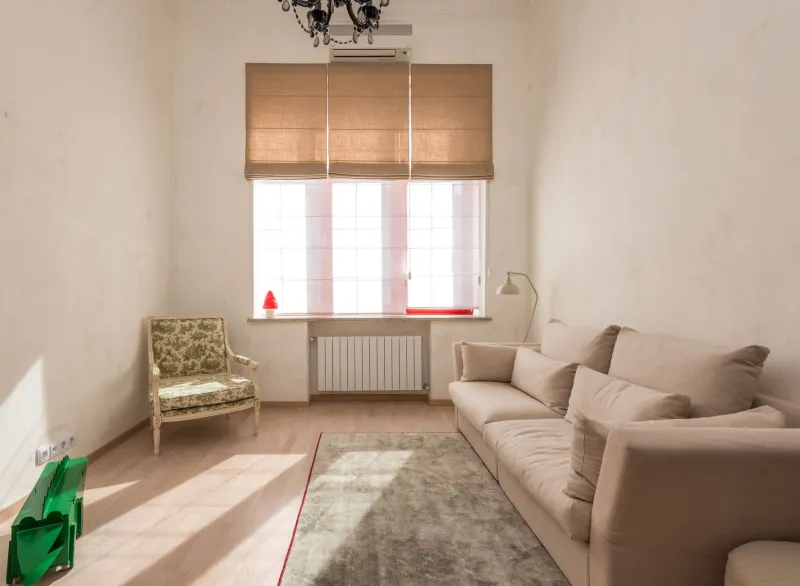
Finally, measure your space again. Ex-display sofas are often large models that were chosen for a showroom, not a Victorian terrace. Check the width, depth, and height against your room, your doorway, and the route from the van to your lounge. A bargain that will not fit through the door is not a bargain.
When the Discount Is Worth It
An ex-display sofa can be a genuinely smart buy. You get to sit on the exact piece before you pay, you avoid the lead-time lottery, and you can often save a serious amount on a model that would otherwise be out of reach. The catch is that you have to buy it with your eyes open, not just your heart.
If the frame is sound, the wear is minor and reflected in the price, and the warranty and return terms are clear, it is worth considering. If the retailer is vague about the sofa's history, reluctant to put anything in writing, or pricing the discount too thinly, walk away. There will be another sofa. There always is.